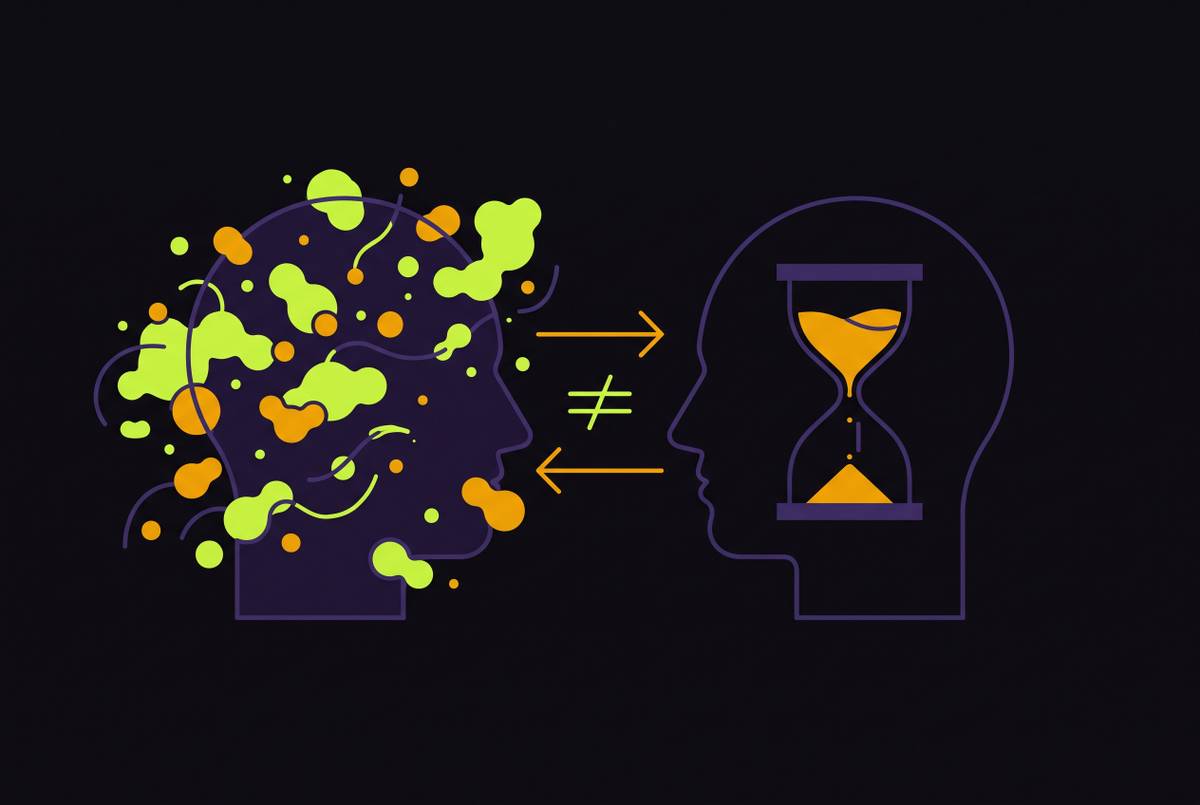
Reading Your Own Allergic Load Signal When Fatigue and Fog Are the Only Symptoms You Can Name
Undiagnosed allergies may hide behind fatigue and brain fog.
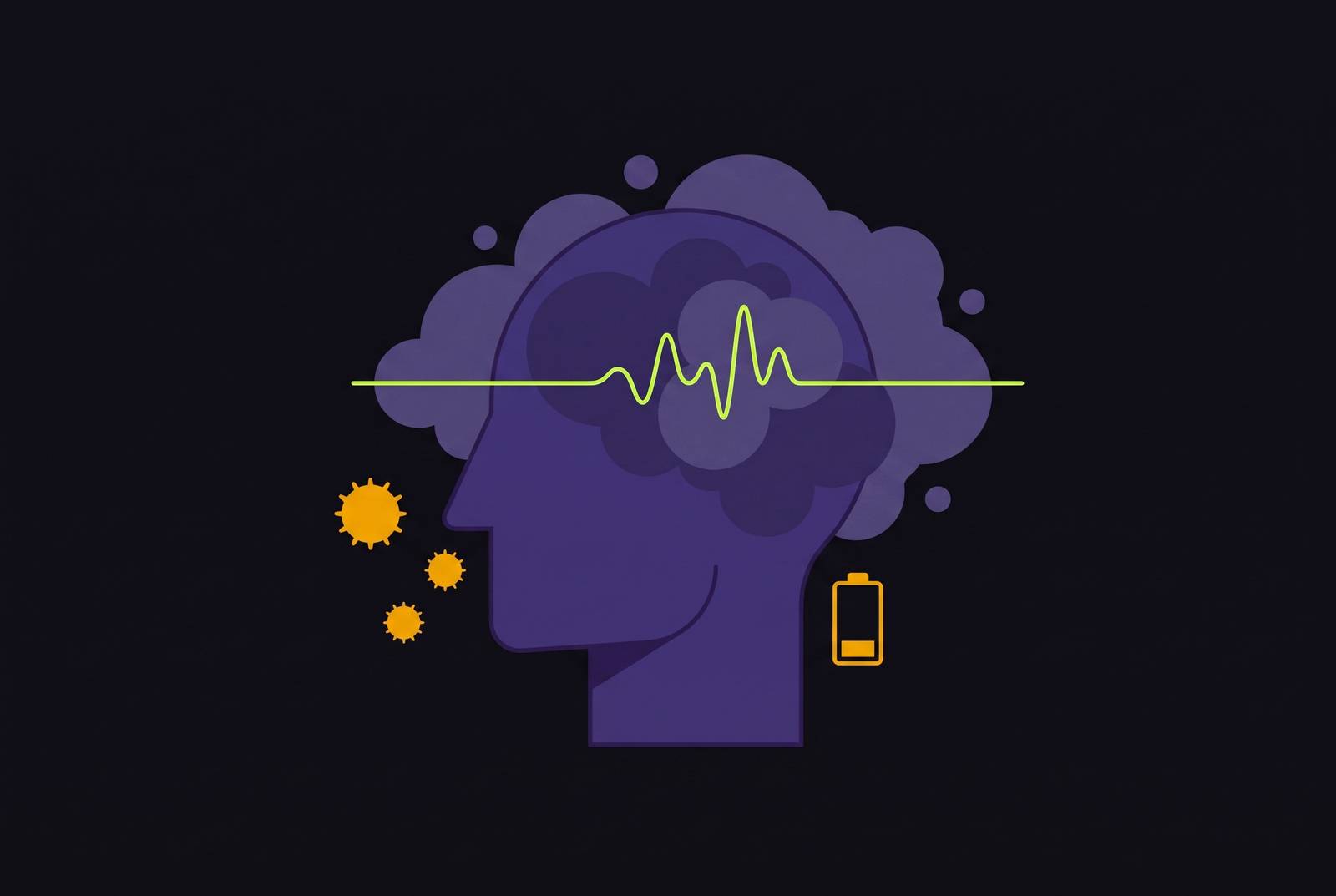
Undiagnosed allergies can contribute to fatigue, brain fog, and poor sleep even when sneezing and itchy eyes are absent. As allergic inflammation builds up, it can disturb restorative sleep and change immune signaling, leaving a person with less energy and less ability to think clearly. To make sense of that allergic load signal, symptoms must be linked to exposures and likely triggers tested, while fatigue alone is too little to prove an allergy.
Why fatigue and brain fog so often go unrecognized as allergy symptoms
The exhaustion does not lift, and thinking feels harder than it should. Yet there is no obvious reason for either. When those are the complaints you can name, sneezing and itchy eyes may seem like an entirely different subject. Most people learn to recognize allergy through those visible symptoms. Without a sneeze or a rash, allergy may never enter the conversation.
That recognition gap also shapes the clinical workup. Fatigue and cognitive symptoms from allergy can look like mild depression, chronic fatigue syndrome, or thyroid imbalance, so those possible causes may get attention first. They remain possible explanations even when allergy is also plausible. Allergy may also belong in the differential, the set of possible causes being considered. A lack of classic symptoms should not automatically exclude it.
What would make allergy worth investigating in that situation? A repeated link between exhaustion and a particular room, cleaning, waking, or a season gives the symptom an environmental context. That context is a clue. It helps focus a vague complaint on what a person is exposed to and the immune response that exposure may cause.
How allergic inflammation quietly degrades sleep, immune signaling, and cognitive recovery
Even low-level nasal congestion can reduce time spent in deep, restorative sleep. That is the first link in the chain. Deep sleep is when the brain consolidates memory and clears metabolic byproducts from the day's cognitive work. When inflammation disrupts that recovery period, the consequences can appear the next day as mental cloudiness and fatigue.
Mouth breathing adds another source of disruption. When inflamed nasal passages make breathing through the nose difficult, the body can compensate by shifting to mouth breathing during sleep. That shift changes airway mechanics and worsens snoring. In people already predisposed to sleep-disordered breathing, it can aggravate the problem, compounding the loss of restorative sleep. A reader who has never connected nighttime mouth breathing to allergy may recognize this part of the pattern before recognizing congestion itself.
Sleep is not the only route involved. Allergic inflammation also works through immune signaling pathways, which can affect energy and how clearly a person thinks as well as the nose. With repeated exposure, inflammation can persist beyond a single obvious flare, and poor recovery can recur night after night. Unresolved sinus inflammation can also progress to persistent sinus infections, adding facial pressure and headaches to the picture.
Brain fog affects about 30% of people with allergic rhinitis. It is not an unusual accompanying complaint. The proportion of all people with brain fog whose symptoms come from allergy remains unspecified by that figure.
Which allergens are most likely driving a load that shows up as fatigue rather than sneezing
Indoor allergens need a closer look when symptoms last all year. Unlike a seasonal pollen surge, a continuing exposure may offer no clear beginning or end for a person to notice. The load can feel like a baseline. For the reader trying to interpret it, the useful question is not simply what allergens exist, but where and when symptoms become worse.
Dust mites are a standout trigger for sleep-disrupting allergic load. Large numbers can inhabit a single gram of household dust, and their waste particles provoke the allergic response. Symptoms can be worst during sleep and cleaning, when exposure overlaps either with the period of recovery or with disturbance of household dust. Bedding and carpets therefore provide useful context for the timing of symptoms.
Fatigue or fog that is reliably worse after waking, or flares when bedding or carpets are disturbed, points toward dust mites as a possibility to test.
Mold is another easily overlooked indoor trigger. Some people describe symptoms for years before dampness enters the clinical conversation. Humidity above roughly half supports both mold growth and dust mite proliferation, so the same room can support more than one source of allergic load. This makes humidity control a useful environmental measure, though the setting alone cannot identify which allergen a person reacts to.
When symptoms get worse in damp rooms, basements, or older buildings, mold may be part of the cause.
Pet exposure can also maintain an indoor load. Cat allergens are sticky and remain airborne longer than dog dander, allowing continued exposure even in a well-ventilated home. Animals described as “hypoallergenic” still shed dander and saliva proteins that can trigger IgE-mediated reactions.
Grass, tree, and weed pollen cause symptoms that change with the season, which can help tell a problem linked to exposure apart from exhaustion that stays the same all year. This pattern can help even when there is little sneezing. Indoor and outdoor triggers may both play a part, so finding one still leaves room for the other.
Fatigue and fog that track specific seasons and improve indoors with filtered air suggest pollen as a contributing driver.
Why symptom medications cannot resolve the underlying load that produces fatigue and fog
Antihistamines and nasal sprays can relieve symptoms without changing the immune system's underlying sensitivity to an allergen. A medication may help the complaint it targets while leaving a person dissatisfied with their sleep or daytime clarity. Symptom relief and disease modification are different goals, and these medicines do not accomplish the second.
Treatment can also complicate the picture being interpreted. Antihistamines can cause drowsiness and dry mouth, and drowsiness can add another layer of cognitive difficulty to allergy-related fog. Nasal sprays may cause nosebleeds or local irritation. Symptom medicines have value, and these limitations mean that taking a medicine can leave some contributors to exhaustion in place.
For Montelukast, the FDA requires a boxed warning for serious neuropsychiatric effects, including reported suicidal thoughts or actions, and advises reserving it for allergic rhinitis when other treatments are inadequate or not tolerated. Current guidelines place it beyond first-line treatment for allergic rhinitis, and its warning belongs in a treatment discussion.
Fog that lasts despite medication does not rule allergy out. Nor does it establish that untreated allergic inflammation must be the cause. It leaves a question about the trigger, the treatment's limits, and whether side effects contribute. If an identified allergy continues to impose a load despite symptom control, can treatment change the response to that allergen?
What sublingual immunotherapy actually does to the immune system and how long it takes
Sublingual immunotherapy, or SLIT, introduces an allergen under the tongue to retrain the immune response. Treatment is generally prescribed for at least three years to seek lasting tolerance. Allergen immunotherapy is the only treatment capable of inducing disease-modifying effects in IgE-mediated respiratory allergy, which separates its purpose from that of antihistamines and nasal sprays.
The retraining begins in the tissue under the tongue. Dendritic cells detect the allergen and produce immune signals including IL-10, IL-12, and TGF-β. These signals encourage regulatory T cells, known as Tregs, which help restrain the allergic response by suppressing IgE production and promoting IgG4. In plain terms, the treatment shifts the immune system away from repeated overreaction. It is not simply blocking a symptom after that response has begun.
The 2026 WAO Position Paper records 96.6% expert consensus that both SLIT and subcutaneous immunotherapy induce Tregs and reduce Th2 cytokines, signals involved in the reactive immune response, over time. The paper also links increases in IL-10 and TGF-β with successful tolerance induction.
Allergic rhinitis trials have found that symptoms can improve as early as eight weeks after treatment begins. Randomized controlled trials of grass and house dust mite SLIT tablets show clinically meaningful reductions in symptoms and medication use, with sustained benefits observed up to one to two years after a three-year course. The timing of any improvement in unexplained fatigue remains uncertain from these allergic rhinitis findings.
Observational cohorts also report lower long-term medication use and a reduced risk of new asthma onset after SLIT. Those findings look beyond short-term symptom scores, though observational evidence differs from evidence from randomized trials. No single biomarker yet identifies who will respond best, making patient selection and clinical oversight essential to the treatment decision.
How the evidence compares SLIT to allergy shots on outcomes, safety, and practical fit
Allergy shots, also called subcutaneous immunotherapy or SCIT, pursue immune tolerance through injections. A 2021 adjusted indirect comparison found no significant distinction between the routes in quality-of-life outcomes. That result is relevant to someone seeking better sleep and clearer days, but it does not establish identical effects for every allergen or every patient.
Shots have a small but real risk of systemic reactions, including anaphylaxis, and many clinics require a 30-minute observation period after an injection. Every dose requires in-office administration. SLIT has a lower anaphylaxis risk, though lower does not mean absent. Its most common reactions are itching or tingling in the mouth or throat, which typically diminish within the first weeks.
That safety profile changes where treatment can happen. SLIT requires clinical supervision for the first dose and, for seasonal tablets, the first dose of each new season, while subsequent doses are taken at home. For someone already struggling with fatigue, going back to the clinic again and again may be a heavy burden. Home dosing changes that burden without shortening the long treatment commitment.
Approval and cost also differ between the options. FDA-approved sublingual tablets exist for house dust mites, grass pollen, and ragweed, while custom multi-allergen drops fall outside that specific approval framework. Insurance typically covers shots more readily, tablets are frequently covered, and custom drops are often cash-pay. Evidence also remains allergen-specific. A 2023 network meta-analysis found dust mite SLIT most effective among the interventions compared for allergic rhinitis symptom scores.
How to get tested, interpret the results, and take the first concrete step
The next step is to connect the exposure pattern with an allergy evaluation. Testing is especially useful when symptoms are severe, triggers are unclear, or immunotherapy is being considered. Treatment depends on identifying the right allergens. A generic approach cannot substitute for a person's sensitization pattern, because desensitization must target what their immune system reacts to.
To make that evaluation useful, bring the timing and setting of symptoms into the consultation. Fatigue that worsens after a night in a damp bedroom provides a more focused question than fatigue described without context. Testing can support or redirect that hypothesis. A result showing an IgE response identifies sensitization, and a match with the symptom pattern supports that allergen as a plausible explanation for the complaints. It should not be read as proof that every episode of fog has the same cause.
At-home finger-prick blood testing is one way to start that process. The patient collects a sample and mails it, and the results identify allergens that have triggered an IgE response. Kits should be FDA-cleared, with clinician involvement to connect the findings to diagnosis and treatment. A virtual consultation can also provide a setting for discussing the pattern before a treatment is personalized.
IRS Code Section 213(d) allows reimbursement for allergy testing performed for a medical purpose, such as diagnosing or treating a condition. A physician order supports FSA/HSA eligibility but does not determine it alone, and kits bought purely for general wellness do not qualify. For fatigue and fog that have resisted other explanations, the concrete next step is an allergy evaluation that asks which exposures, if any, are contributing and which tests can identify them.
Sources
- Efficacy and safety of sublingual immunotherapy for allergic rhinitis: A network meta-analysis
- Why Spring Allergies Can Cause Fatigue and Headaches
- World Allergy Organization Sublingual Immunotherapy Position Paper: 2026 update - World Allergy Organization Journal
- Induction of Tolerance via the Sublingual Route: Mechanisms and Applications