Antihistamine Cognitive Side Effects in High-Demand Professionals
Older allergy pills impair focus without making people feel drowsy.

Antihistamines bought over the counter for a runny nose carry a measurable cognitive cost, and the people who pay the highest price are professionals whose jobs depend on sharp attention and quick reaction time. The mechanism is pharmacological, grounded in how these drugs behave once they reach the brain.
First-generation antihistamines and invisible cognitive impairment
First-generation antihistamines, the kind found in many common allergy and sleep aids, cross the blood-brain barrier easily. They are built from small, fat-soluble molecules, and that property lets them pass into brain tissue the way second-generation drugs mostly cannot. Second-generation agents are less fat-soluble, tend to be larger molecules, carry a different ionic charge, and get pumped back out of brain tissue by a transporter called P-glycoprotein. First-generation drugs have none of those barriers working in their favor.
Once inside the brain, these molecules do not just cause mild drowsiness. A review by Simons and Simons in the Journal of Allergy and Clinical Immunology, using PET imaging, found that first-generation antihistamines at standard doses occupy the large majority of H1 receptors in the brain. Receptors that tied up like that stop doing their normal job, and the practical result is fatigue, slowed reaction time, and weaker working memory. This happens on a predictable basis, in the same way a sedative works: give the drug, saturate the receptors, impair the brain.
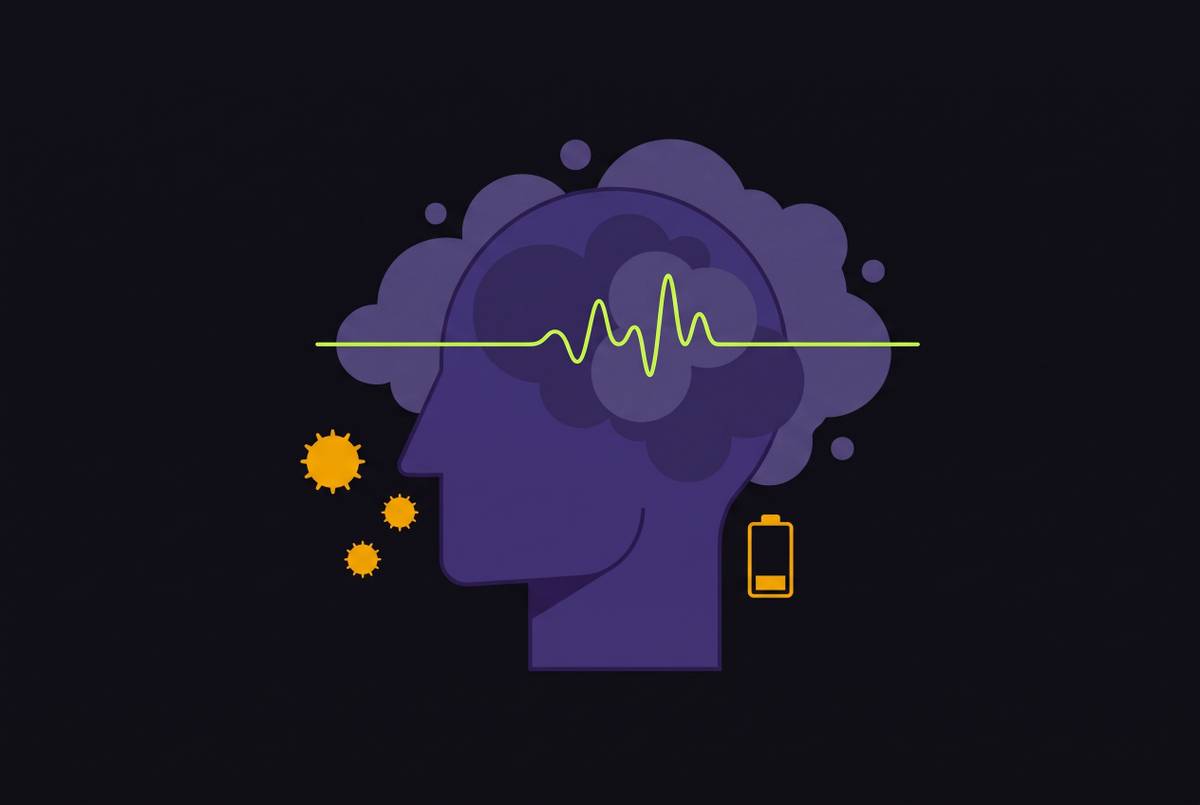
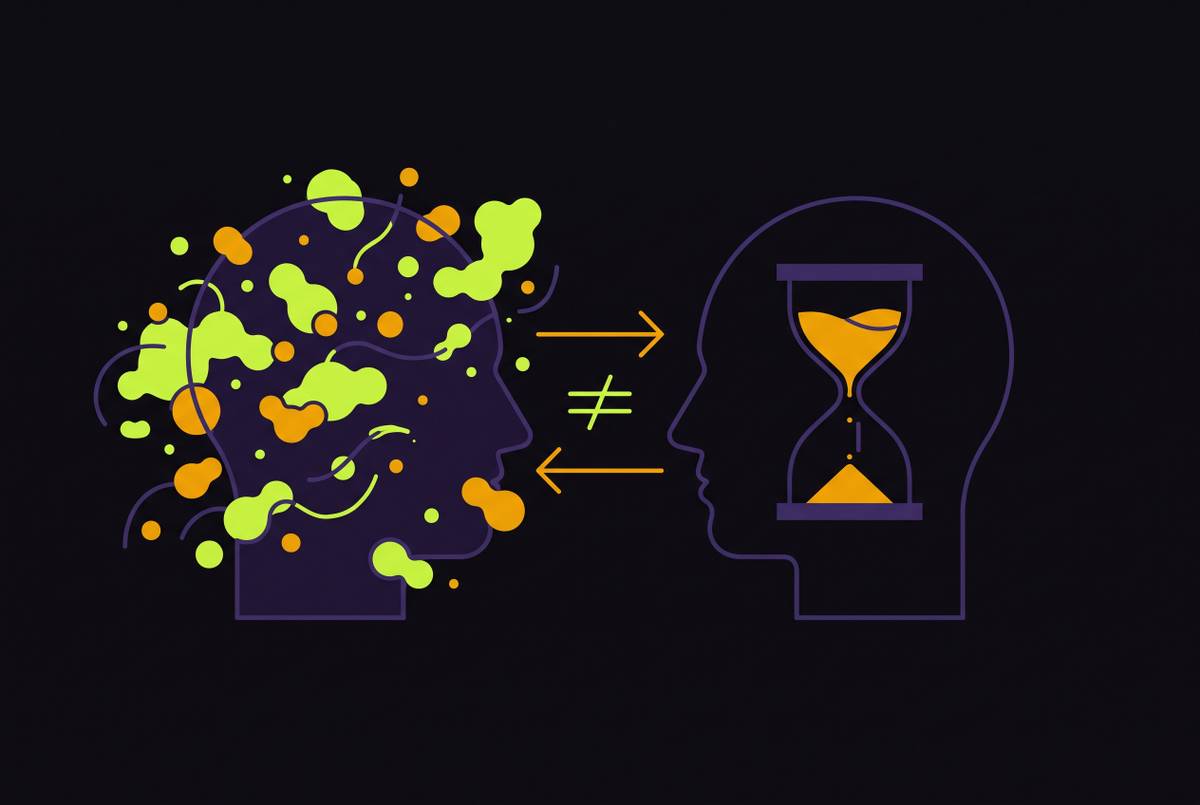
The sharpest finding in the research is this: people taking these drugs often feel completely normal while performing measurably worse. A comparative trial found that subjects who reported no sedation at all still showed substantial impairment on objective tests of divided attention, working memory, and vigilance. Nobody told them they were slower, and their own sense of alertness gave them no warning. That gap, between how sharp someone feels and how sharp they actually are, is the whole danger of this category of drug. It cannot be caught by paying closer attention to how tired you feel, because tiredness is not what's being measured.
The timing makes this worse. Kay's review in the Journal of Allergy and Clinical Immunology found that the central nervous system effects of an evening dose persist through the next day, and that first-generation antihistamines generally impair mood, alertness, and both cognitive and psychomotor function in adults. A dose taken at bedtime to quiet nighttime sneezing does not clear out of the system by morning. Someone who takes diphenhydramine before sleep and walks into a 9 a.m. meeting believing the drug is long gone is working from a false assumption, and the research confirms this.
Professionals bearing the greatest cognitive cost from invisible impairment
The specific mental functions damaged by these drugs, vigilance, divided attention, working memory, and reaction speed, happen to be the exact skills that high-stakes jobs are built on. That overlap is not a coincidence: Kay's review names adults whose work demands divided attention and sustained concentration as the group most harmed, and it does not stop at jobs involving heavy machinery. The review extends the warning to clerical and monitoring work too, which covers far more of the workforce than the usual list of pilots and surgeons.
Think about who actually depends on these functions all day. A missed signal or a half-second delay is the thing that defines whether the job gets done right in these jobs.
And because the impairment hides from self-assessment, these are exactly the professionals least likely to catch it in themselves. A high performer having an off day rarely blames an antihistamine bought at the drugstore the night before. The instinct is to blame stress, bad sleep, or a heavy week. Why would anyone suspect a pill sold as harmless and routine? That instinct to look everywhere except the medicine cabinet is precisely what lets the problem persist unnoticed.
Whether switching to second-generation antihistamines solves the problem
The obvious fix seems to be switching to a "non-drowsy" formula. That move helps, and the data backs it up: second-generation antihistamines substantially cut CNS impairment at normal doses. But the fix is partial, and the details matter for anyone operating near their cognitive limit.
Not every drug in this newer category behaves the same way. A study by Shamil et al. found that levocetirizine, despite being classified as second-generation, had negative effects on cognitive and psychomotor performance, in the same category as the older drug chlorpheniramine. Fexofenadine and bepotastine, by contrast, showed positive effects across a range of cognitive and psychometric tests in the same study. Being labeled "second-generation" does not guarantee a clean cognitive profile. Which drug is used matters more than which generation it belongs to for cognitive effects.
There is a second wrinkle. A 2025 driving-simulator study published in Discover Applied Sciences found that second-generation antihistamines as a class caused minimal impairment during routine driving. But researchers also found a consistent trend toward increased risk when participants had to handle a second task at the same time. Multitasking is not a rare event for a professional; it is most of the workday. A drug that looks safe in a single-task lab setting may behave differently when someone is reading a monitor, talking to a colleague, and making a decision all at once.
Even the cleanest second-generation drug has a ceiling on what it can accomplish. Swapping diphenhydramine for fexofenadine removes the heavy sedation, but the underlying problem, the inflamed, congested, sleep-disrupted immune response, is still running in the background. The professional is better off than before, but still dependent on a daily pill that treats a symptom and leaves the cause untouched.
Untreated allergic rhinitis, sleep disruption, and compounding cognitive impairment
What happens to cognition if someone skips the antihistamine entirely and just lives with the allergy is that allergic rhinitis does damage on its own, independent of any drug.
Nasal inflammation makes it harder to breathe while lying flat, and that contributes to sleep-disordered breathing, including snoring and airway obstruction that can develop into something closer to sleep apnea over time. Chronic congestion pushes people into mouth breathing at night, and over months and years that habit reshapes the quality of sleep itself.
The next-day result looks a lot like the fog caused by the drugs meant to treat it: trouble concentrating, slower recall, lower output. The mechanism is different, inflammation and disrupted sleep instead of receptor saturation, but the experience on the ground is strikingly similar.
That convergence is the real bind facing anyone trying to manage seasonal or year-round allergies with antihistamines alone. The untreated disease taxes cognition through inflammation and poor sleep. The standard treatment for that disease taxes cognition again, this time through direct CNS depression. Neither the allergy nor the drug tells the whole story by itself. The professional living with both is paying a cognitive cost on two separate fronts at the same time, and switching antihistamine brands does nothing to address the first one.
What sublingual immunotherapy does differently at the immune level
Sublingual immunotherapy, usually called SLIT, does not try to block a chemical signal the way antihistamines do. It works earlier in the chain, retraining how the immune system responds to an allergen.
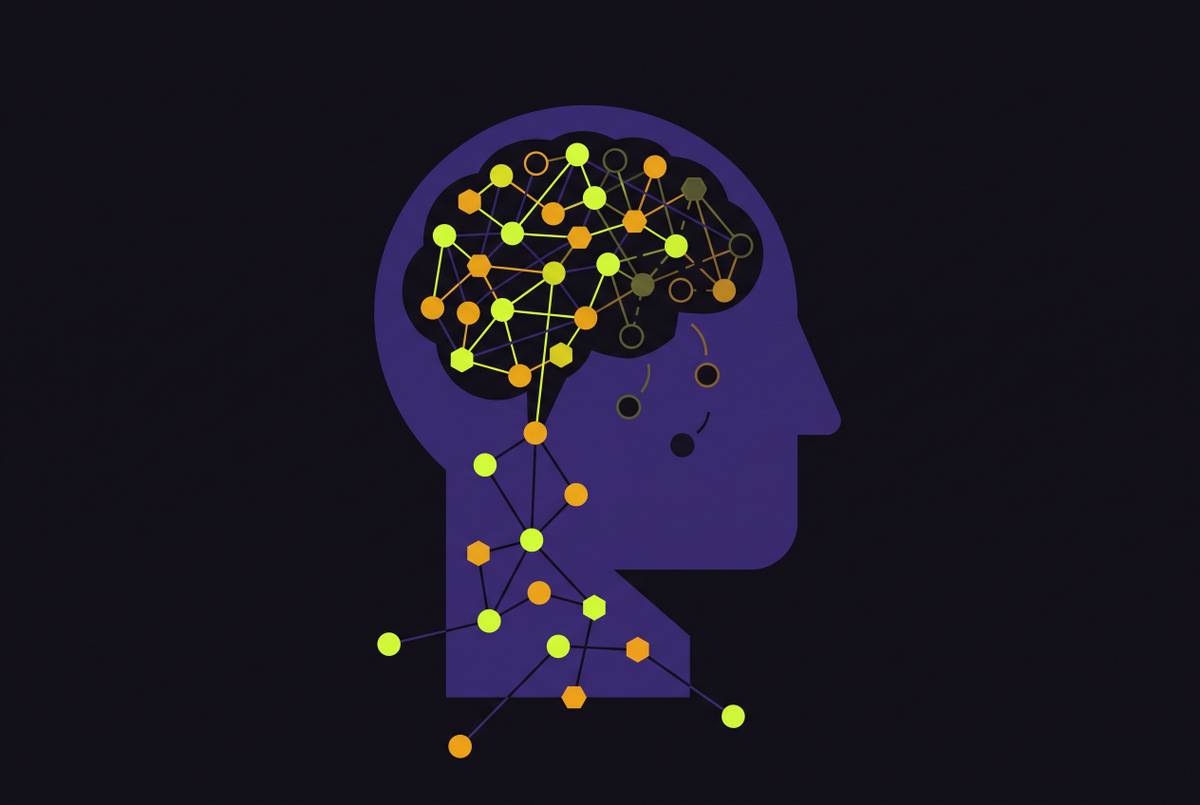
A mechanism review in the Journal of Allergy and Clinical Immunology lays out how this happens. SLIT acts on both the antibody side and the cellular side of the immune response at once. It raises allergen-specific IgG4, an antibody that competes with the IgE responsible for allergic reactions. It limits IgE production itself. And it drives production of IL-10, a signaling molecule that normalizes the body's cytokine profile so that, over the course of treatment, a person with allergies starts to respond more like someone who was never sensitized.
That is immune re-education, carried out at the level of antibodies and signaling molecules, not a chemical blockade applied after the reaction has already started. For a professional weighing options, the distinction has a very practical consequence. An antihistamine needs to be taken every day because it leaves the underlying sensitivity exactly where it found it. SLIT aims at something different: removing the need for daily medication by changing the sensitivity itself.
The evidence behind this approach has grown substantial. A narrative review published in Frontiers in Allergy, drawing on randomized controlled trials, real-world cohorts, and meta-analyses, found that SLIT tablets for grass and house dust mite allergens produce real reductions in symptoms and medication use, with benefits still measurable one to two years after finishing a three-year course. Real-world cohort data add two more findings: a lower risk of developing asthma afterward, and reduced long-term use of allergy medication generally.
Safety compares favorably too. The same JACI mechanism review notes that subcutaneous immunotherapy, the injection-based version, carries a rare but potentially life-threatening risk of systemic anaphylactic reaction, which pushed researchers to look for a safer delivery route. SLIT, by contrast, has no reported fatalities and produces mostly local side effects, things like mouth or throat irritation and occasional stomach upset.
None of this is a quick fix. It is a long course of treatment that keeps paying off after the course ends, which is not something any antihistamine, first- or second-generation, has ever been able to claim.
Sublingual immunotherapy versus allergy shots for working professionals
Both delivery methods, shots under the skin and drops under the tongue, can produce lasting immune change. The difference that actually matters to a working professional is logistics.
Allergy shots require showing up at a clinic for an injection, then sitting through a mandatory observation period afterward because of the small risk of a systemic reaction. Months or years of weekly or biweekly visits add up to a fast-growing time cost for anyone with a demanding schedule or a travel-heavy job.
Sublingual drops work differently after the initial consultation. There is no needle, no in-office appointment for each dose, no mandatory waiting room. Dosing happens at home, on the person's own schedule. Removing the recurring clinic visit removes the single biggest reason people quit immunotherapy partway through. Adherence with drops runs well ahead of adherence with shots, mainly because the two biggest obstacles, travel time and needle anxiety, simply are not part of the drop-based routine.
The regulatory picture affects what a patient can expect to receive. In one major national regulatory system, approval for SLIT tablets has been granted only for a specific, limited list of allergens: certain grasses, ragweed, and dust mites. Multi-allergen SLIT drops, the kind built around a broader, personalized allergen panel, are used in the U.S. on an off-label basis, without formal endorsement from the major U.S. allergy specialty groups, AAAAI and ACAAI. That distinction matters for anyone deciding how to pursue treatment, and it is worth knowing before starting.
For professionals juggling rigid calendars, frequent travel, and little tolerance for recurring appointments, a model that starts with an at-home test identifying the specific allergens driving symptoms, followed by a formulation built around those findings and delivered without clinic visits, removes the scheduling friction that has historically made immunotherapy a hard sell for busy people. That is a logistics argument, not a clinical one. But for a lot of professionals, logistics is the deciding factor in whether treatment gets finished.
The decision to stop managing symptoms and start addressing the cause
Put the whole chain together. First-generation antihistamines impair exactly the cognitive functions that high-demand jobs rely on, and they do it invisibly, without the user ever feeling it happen. Second-generation drugs reduce that risk but don't erase it, especially for anyone multitasking under pressure. The allergy itself, left untreated, grinds down cognition through bad sleep and inflammation regardless of which pill gets taken. Every road in this chain leads back to the same insight: managing symptoms, no matter how well, still leaves the underlying sensitivity fully intact.
A professional who recognizes a pattern of afternoon fog, slower recall, or a nagging sense of being half a step behind, and who has been treating allergy symptoms with antihistamines for years, is a reasonable candidate for a different kind of conversation. The conversation is about whether to address the immune sensitivity causing the problem. That conversation starts with identifying the specific allergens at work and asking a clinician whether sublingual immunotherapy fits the situation. It is a longer path than popping a tablet each morning, but it is one of the only paths that offers a way out of the daily trade-off between symptom control and mental sharpness, rather than asking a person to keep choosing between the two indefinitely.
Sources
- The effects of antihistamines on cognition and performance
- Effects of second generation antihistamines on daily driving with and without subtasks measured in a driving simulator
- H1 antihistamines and driving
- Newer Antihistamines May Cause Cognitive Impairment at High Doses
- How does sublingual immunotherapy work? - Journal of Allergy and Clinical Immunology
- Frontiers