Histamine's Role in Disrupting Circadian Rhythm
Circadian histamine surges wake allergy sufferers at the same hour every night.

Histamine is the thing antihistamines block, the chemical behind hay fever and hives. But it also runs its own circuit in the brain, and that circuit decides whether you're awake or asleep. Most allergy sufferers never connect waking up at the exact same hour, night after night, for no reason they can name, to their condition.
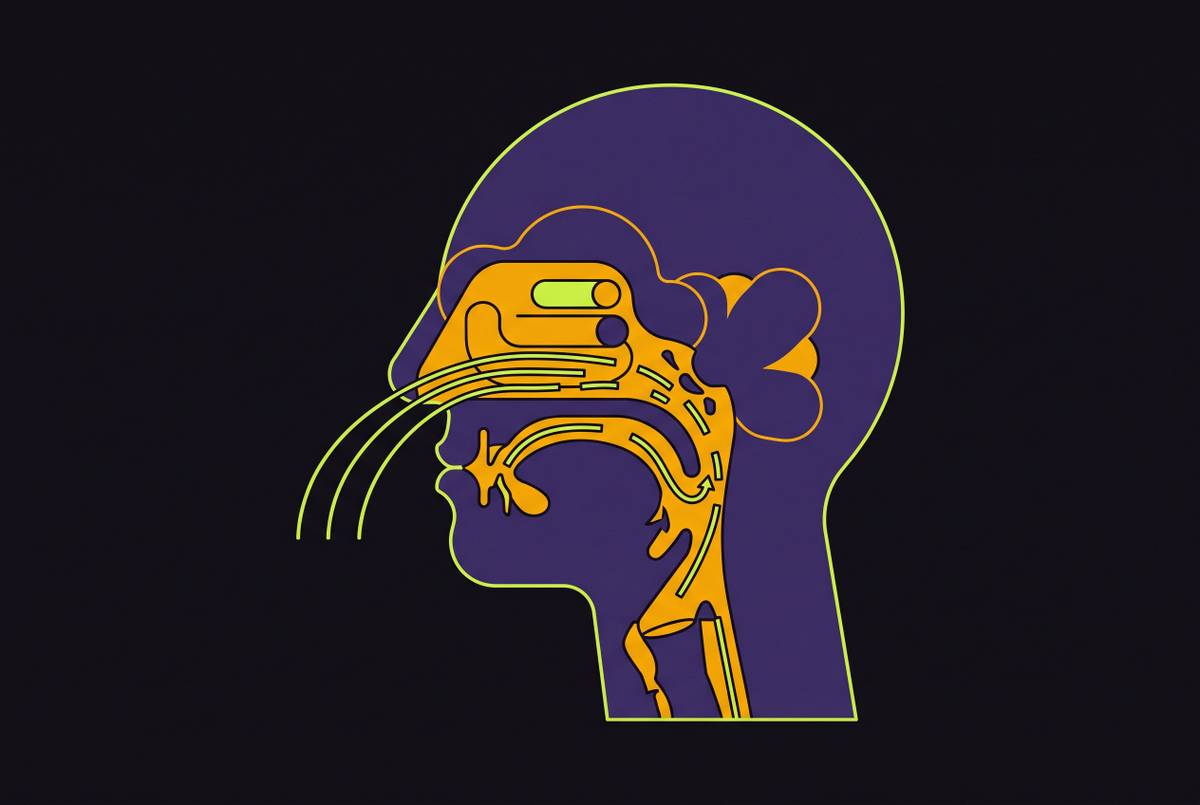
Histamine-producing neurons fire hardest during wakefulness and go quiet during sleep. They regulate arousal, appetite, cognitive function, and the sleep-wake cycle directly, and the proof for this sits in most people's medicine cabinets. First-generation antihistamines like diphenhydramine make people drowsy because they block H1 receptors in the brain, cutting off the arousal signal histamine normally sends. If blocking histamine's receptor puts someone to sleep, histamine itself must have been doing the opposite job the whole time. The pharmacology confirms what the neuroscience predicts.
That wake-promoting role runs through H1 receptors, the same receptor type involved in allergic inflammation. But it's a separate function riding the same hardware. Mast cells release histamine during an allergic reaction. Neurons release histamine to keep the brain alert. Different systems, same molecule, same receptor family, and that overlap complicates things for anyone with allergies.
How mast cells keep their own clock and set up a nightly histamine surge
Mast cells don't just sit around waiting for allergens to show up. They run their own internal clock, built from the same clock genes that drive circadian rhythms everywhere else in the body. Animal research backs this up: histamine levels inside mast cells rise and fall across the day in a predictable rhythm, and when researchers disrupt those clock genes, circadian variations in plasma histamine are abolished.
That daily rhythm produces what's sometimes called a circadian dump: a surge of histamine timed to a specific window, not random background noise. Someone with a low allergen load barely notices it. But in someone with allergic rhinitis, histamine intolerance, or a bedroom full of dust mites, the early-morning peak gets large enough to interrupt sleep outright and trigger a burst of hyperarousal.
That mechanism produces the 2 a.m., 3 a.m., 4 a.m. wakeups so many allergy sufferers describe and so few can explain. It's insomnia unlike the conventional sense, where a racing mind keeps someone from drifting off. It's a scheduled biological event landing in the middle of the sleep cycle, on a clock nobody agreed to.
The melatonin–histamine feedback loop that makes poor sleep self-perpetuating
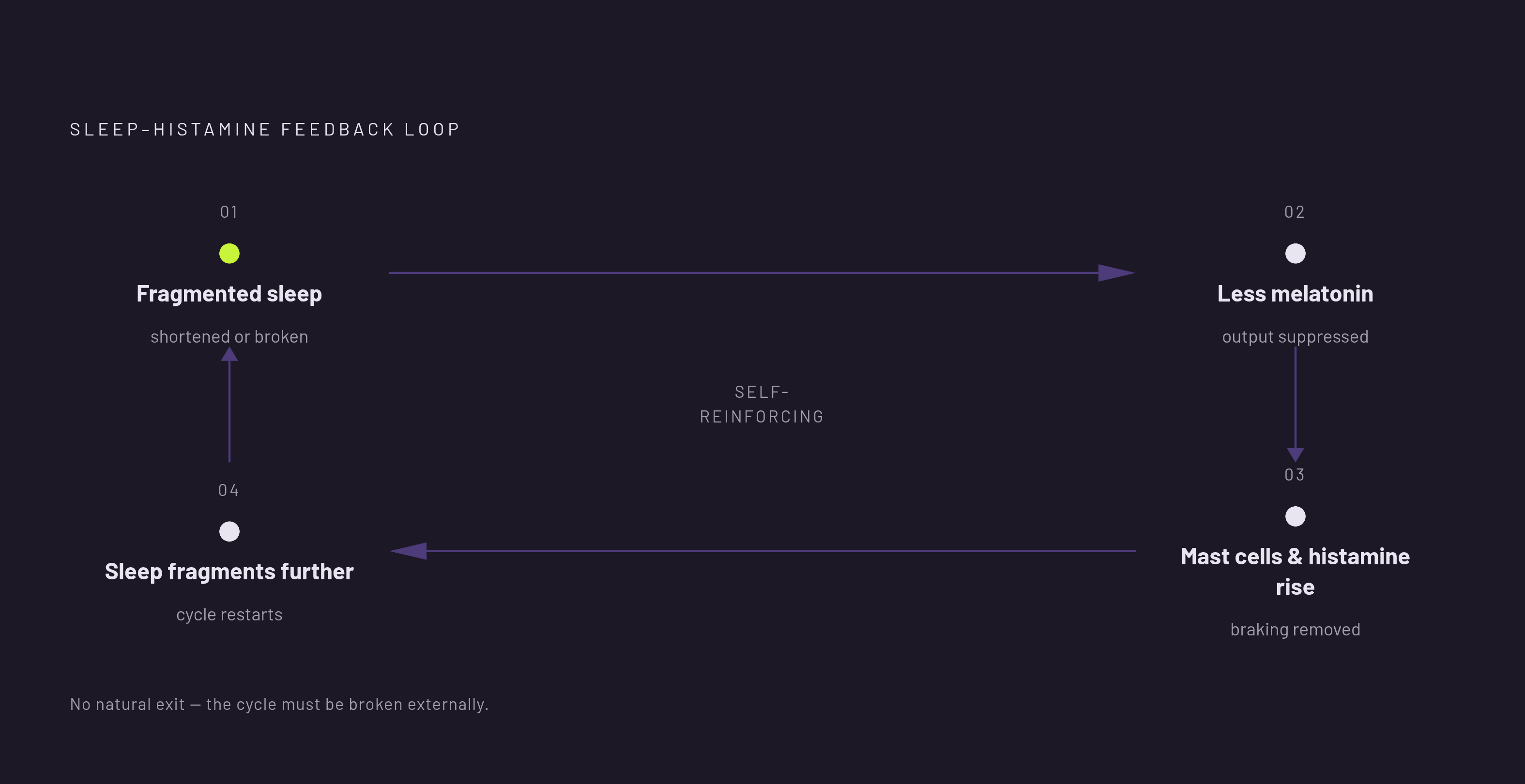
Melatonin has been proposed to act as a brake on mast cell activity and histamine release, and that relationship, if borne out, would keep the whole system stable or let it spiral.
Fragmented or shortened sleep cuts the body's melatonin output. Less melatonin means less braking power on mast cells, so mast cell activity climbs, histamine rises, sleep fragments further, and melatonin output drops again the following night. One loop, feeding itself. Each night's damage sets up the next one, rather than two separate problems taking turns.
Bright light from a phone at 11 p.m., an irregular bedtime, a circadian rhythm already knocked off by shift work or travel: none of these need to be dramatic on their own to push someone into the loop. And the loop doesn't require severe allergies to get started. Even mild, undiagnosed allergic inflammation, the kind nobody thinks to mention at a doctor's visit, can tip the system over and keep it running for months.
What histamine does to sleep architecture once the cycle is running
Once the cycle is active, histamine doesn't just cause brief awakenings. It suppresses slow-wave sleep, the deep, non-REM stage where the body does its heaviest repair work, and it disrupts overall sleep architecture.
A study in the European Journal of Pharmacology (Xie et al.) looked at chronic intermittent hypoxia in an animal model and found a cluster of effects tied to histamine signaling: longer wake phases, less time in NREM sleep, more fragmentation, disrupted circadian rhythms. When researchers blocked H1 receptors with mepyramine, the effects reversed: shorter arousal periods, more NREM sleep, less fragmentation. Mepyramine also normalized mPer2 clock-gene expression in both the frontal cortex and the suprachiasmatic nucleus, the brain's master clock. That's histamine reaching directly into the machinery that sets the body's daily rhythm.
Deep sleep is when memory consolidation and physical repair happen. Suppress it night after night, and the result is a pattern worse than a rough night here and there. It's a specific kind of morning: grogginess and cognitive fog that don't match the hours actually logged in bed. Someone can sleep eight hours and wake up feeling like they got four, because the architecture of those eight hours was compromised the whole way through.
Allergy sufferers' vulnerability to this cycle
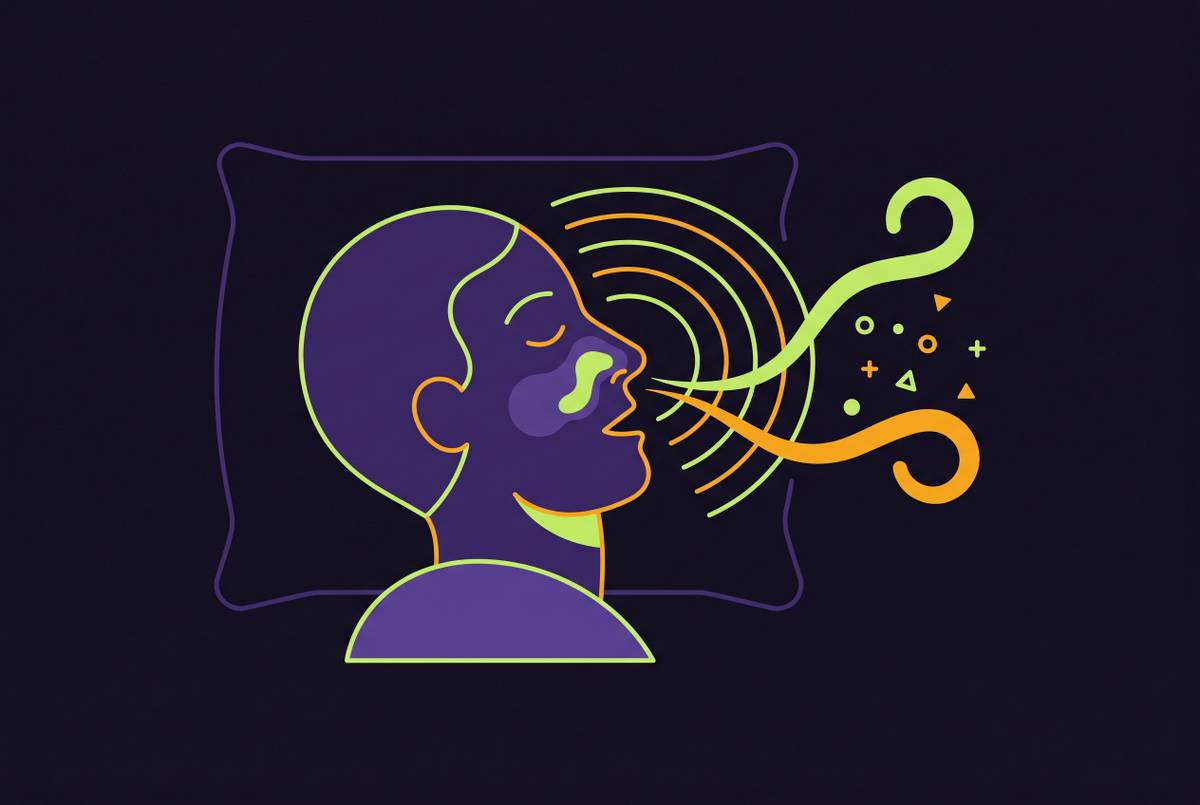
People with allergic rhinitis carry a second layer of disruption stacked on top of everything above. Nasal inflammation and congestion don't just make breathing uncomfortable. They fragment sleep directly, push people toward mouth breathing and snoring, and cut into how restorative that sleep actually is.
Mouth breathing doesn't get enough credit as a sleep problem in its own right. Nasal obstruction that forces someone into mouth breathing raises the odds of sleep-disordered breathing, and that compounds the cognitive fog already caused by degraded sleep architecture. Two separate problems, stacking every single night.
Kids face a version of this that's easy to miss. Undiagnosed allergies in children appear in children as restless nights, bedwetting, or daytime behavior that gets mistaken for an attention problem. Parents and pediatricians tend to chase other explanations first, because sneezing looks unrelated to bedwetting.
Adults have their own blind spot, and arguably a worse one. Fatigue and poor sleep get blamed on work stress, aging, bad habits, screen time, anything before allergies come up. That's the real reason so many of these cases go undiagnosed for years: allergies are easy to overlook when symptoms are seasonal, or when congestion, not a classic sneezing fit, is the loudest complaint.
Antihistamines address the symptom but not the circadian problem
Antihistamines work, in the narrow sense of the word. First-generation drugs like diphenhydramine block H1 receptors and kill the arousal signal, which produces drowsiness. But drowsiness isn't restorative sleep. Suppressing the wake signal doesn't rebuild normal sleep architecture, and the deep-sleep suppression described above doesn't reverse itself just because someone feels tired enough to pass out.
Second-generation antihistamines cause less sedation and are safer for daily use, but they hit the same ceiling. They don't touch the mast cell's circadian clock, and they don't do anything for the melatonin feedback loop. Histamine production carries on exactly as before. The drug just blocks the receptor sitting downstream of it.
The allergen-driven mast cell activation underneath never changes, and that's the real failure of treating this at the receptor level. The same surge fires the next night, and the medication has to be taken again, indefinitely, while the root mechanism sits untouched.
One piece antihistamines never reach: the gut enzyme DAO, which breaks down dietary histamine, may see reduced activity at night in some individuals, and certain medications can suppress it further. Antihistamines do nothing for that pathway, so a glass of wine with dinner stacks another load onto a system already running its own schedule.
Immunotherapy addresses histamine at the immune level rather than the receptor level
Allergen immunotherapy works upstream of everything described so far. Instead of masking the mechanism, it changes it. It's a recognized, disease-modifying treatment for IgE-mediated respiratory allergy. Over the course of treatment, the body starts producing protective IgG antibody, IgE antibody production gets suppressed, regulatory T cells get upregulated, and the immune system builds real tolerance to the allergen instead of overreacting to it.
Why does that matter for the histamine cycle specifically? Immunotherapy reduces the IgE-driven sensitization that makes mast cells overreact to a given allergen. Less sensitization means less histamine loaded up for release when the mast cell's clock triggers the nightly dump. The surge doesn't vanish outright, but it shrinks as sensitization drops, and that shrinkage compounds over the course of treatment.
Sublingual immunotherapy, or SLIT, delivers allergen proteins under the tongue, where dendritic cells pick them up and present them to T cells in a way that steers the immune response toward tolerance instead of IgE-driven mast cell activation. Traditional allergy shots, SCIT, work through that same upstream mechanism, just delivered by injection in a clinic instead of drops or tablets taken at home.
Real-world SLIT outcomes for treatment delivered at home
A retrospective cohort study in Frontiers in Allergy followed 2,897 adults who received personalized SLIT through telemedicine. Average age was 39.0 years, 52.7% of participants were female, and 25.3% had asthma alongside their allergies.
Symptom severity dropped by 10.1 points on average at the 6-month mark. By 12 months, 28% of patients had reached a clinically meaningful improvement, defined as a 30-point reduction or more. By 24 months, that number climbed to 45%. This isn't a fast treatment, and nobody should sell it as one. But the trend line moves in one direction, and it keeps moving the longer someone stays on it.
One number stands out for anyone whose allergies are already wrecking their sleep: patients with higher baseline severity responded earlier, with a hazard ratio of 2.95. The people with the most to lose to bad sleep tend to be first in line to see real improvement once treatment starts.
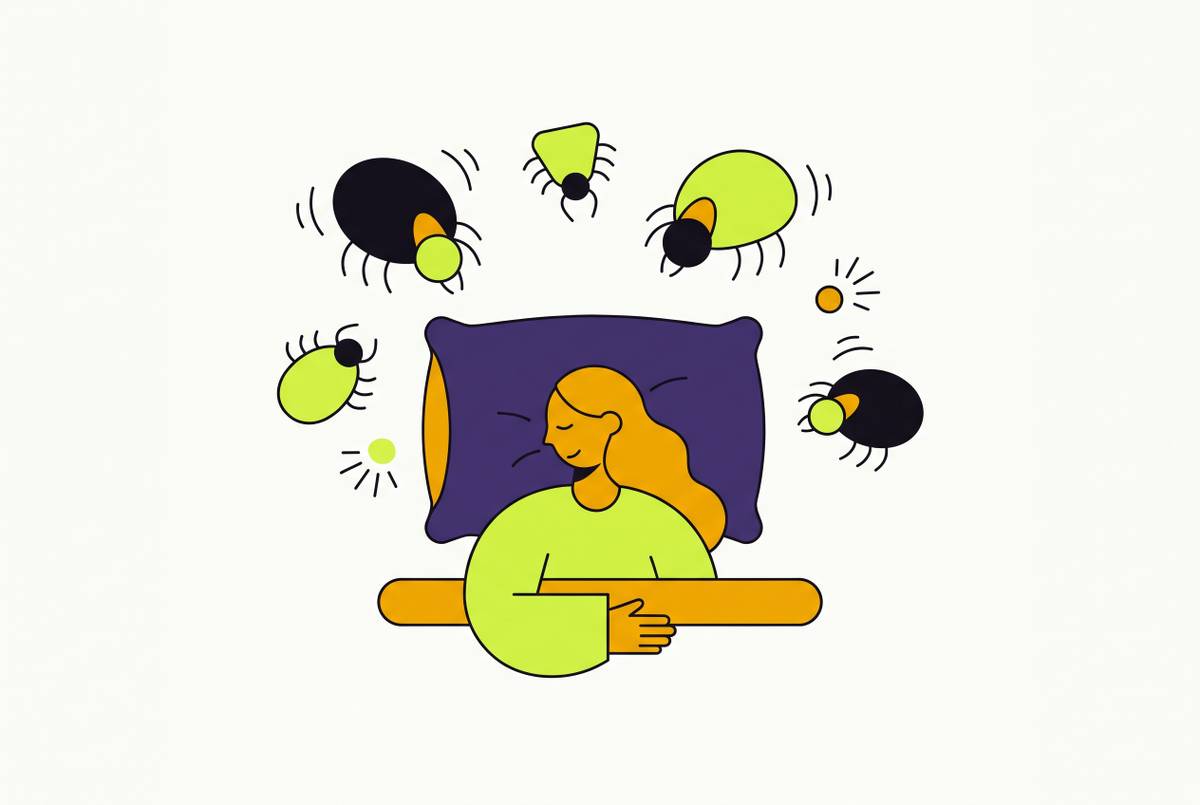
The allergens most commonly prescribed in that cohort were cat fur (76% of participants), dust mites (75%), dog fur (72%), orchard grass (70%), and short ragweed (68%). The dust mite figure lines up directly with the bedroom environment. Bedding is a well-recognized environment for dust mite exposure, and pet dander sitting on bedding runs the same exposure all night, every night.
Recognizing whether histamine is behind your sleep problems
Waking between 2 and 4 a.m. with no obvious trigger, feeling alert or wired rather than groggy, symptoms that spike in spring or fall pollen season, or symptoms that run year-round but worsen specifically in the bedroom: that pattern points to a cause. The bedroom-specific version points toward dust mites or pet dander rather than outdoor pollen.
A few secondary signals help confirm the picture: daytime nasal congestion, sneezing fits in the morning, brain fog that tracks with seasonal allergy patterns, and fatigue that doesn't budge no matter how much sleep hygiene gets thrown at it.
Addressing the light-and-schedule side of sleep does nothing for the mast cell activity driving the histamine surge. A dark room, no screens before bed, a consistent sleep schedule, none of that is wasted effort, and all of it helps the melatonin side of the loop. But if mast cell activity is the actual driver, the loop resets every night no matter how disciplined the bedtime routine gets. Sleep hygiene can't out-discipline a circadian immune event. Treating this as a willpower problem is the mistake that keeps people stuck for years, sometimes decades, chasing fixes aimed at the wrong system.
Figuring out what's actually driving the mast cell response is the move that changes the trajectory. At-home allergy testing, using a simple finger-prick blood sample, can identify the specific allergens behind the sensitization. That turns a vague, frustrating question, why does someone keep waking up at 3 a.m., into a named list of allergens and an actual target for treatment, instead of another round of advice about screen time and blackout curtains.
Sources
- Neuroregulation of histamine of circadian rhythm disorder induced by chronic intermittent hypoxia - ScienceDirect
- Regulation of plasma histamine levels by the mast cell clock and its modulation by stress
- Frontiers | The Circadian Clock Drives Mast Cell Functions in Allergic Reactions
- Regulation of plasma histamine levels by the mast cell clock and its modulation by stress | Scientific Reports
- sleepreviewmag.com
- pubmed.ncbi.nlm.nih.gov